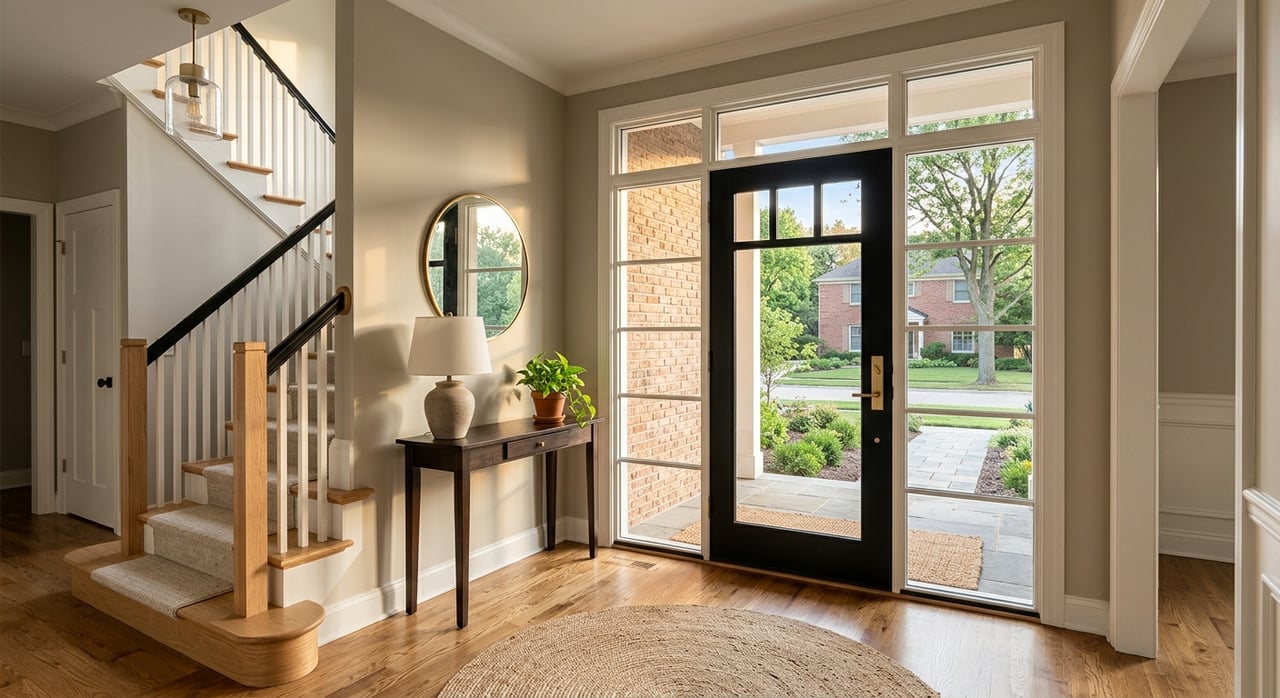
Thinking about trading Berks County’s spread-out neighborhoods for Lancaster’s city blocks? That move can be exciting, but it also comes with some real day-to-day differences in housing, parking, commuting, and lifestyle. If you are planning a move to Lancaster from Berks County, this guide will help you understand what may change, what may feel familiar, and what to look for before you make a move. Let’s dive in.
Lancaster Feels Different From Berks
If you have spent most of your time in Berks County, Lancaster City may feel more compact right away. Lancaster City has 58,441 residents in 7.23 square miles, while Berks County has 440,072 residents across 856.40 square miles. In simple terms, Lancaster proper is much denser and more block-oriented.
That change often shows up in your daily routine. You may find yourself living closer to shops, parks, transit, and downtown destinations. At the same time, you may have less private outdoor space than you are used to in many Berks communities.
Housing in Lancaster vs. Berks County
One of the biggest shifts is the housing stock itself. Berks County housing is dominated by owner-occupied single-family homes, and nearly 80% of the housing stock is single-family. Lancaster City, by contrast, often includes more attached homes, rowhouses, and mixed-use blocks.
That means your idea of “normal” housing may need to adjust a bit. In Lancaster, it is common to see homes closer together, smaller lots, and residential blocks that also include small businesses. For many movers, that creates a more urban feel than what they are used to in Berks County.
What Your Budget May Get You
Lancaster City’s median owner-occupied home value is $219,500, compared with $257,300 in Berks County. For some buyers, that can mean a lower entry point into homeownership in Lancaster City. Still, price is only part of the picture.
Lancaster City’s owner-occupied housing rate is 48.6%, while Berks County’s is 71.3%. That tells you Lancaster has a different ownership and rental mix, which can affect everything from neighborhood feel to inventory style. If you are buying, it helps to compare not just price, but property type, layout, parking, and upkeep needs.
What Renters Should Expect
If you are renting first before buying, Lancaster City’s median gross rent is $1,240, compared with $1,181 in Berks County. That suggests renters may see slightly higher typical rents in Lancaster City. Even a modest difference can matter when you are budgeting for utilities, parking, and moving costs.
Renters should also pay attention to location and building type. A city rental may offer easier access to downtown destinations and transit, but it may also come with different parking rules or less storage space than a rental in Berks County.
Older Homes and Historic District Rules
Lancaster’s housing story is closely tied to its historic built environment. The city has two local historic districts governed by HARB and the Historical Commission. Lancaster City also contains 50 individually listed properties and 11 districts on the National Register, including a citywide historic district with nearly 14,000 historic resources.
This matters if you are drawn to the charm of an older city home. Exterior work, demolition, and new construction in historic districts can be subject to review. If you are buying in one of these areas, you will want to understand what changes may require approval before you plan renovations.
Why Historic Review Matters
Historic homes can offer character that is hard to find in newer construction. You may find brick rowhomes, older architectural details, and streets with a strong sense of continuity. That appeal is real, but so is the need to understand the rules that can come with ownership.
Before you buy, ask practical questions about windows, doors, exterior repairs, and any future projects you have in mind. That kind of planning can help you avoid surprises after closing.
Commuting in Lancaster Is Not Just About Drive Time
A move from Berks County to Lancaster may not dramatically change your average commute length. Mean travel time to work is 23.6 minutes in Lancaster City and 25.4 minutes in Berks County. What often changes more is how you commute.
Lancaster City offers RRTA bus service throughout the city and county, and Amtrak service is available at Lancaster Station on McGovern Avenue. That gives you more options if you want to reduce driving or mix driving with transit. In many parts of Berks County, daily life is more car-dependent, so this can feel like a meaningful shift.
Parking Should Be Part of Your Home Search
If you drive every day, parking deserves serious attention. Lancaster manages parking through garages, lots, metered spaces, and residential permit parking zones. A home that looks great on paper may feel very different if parking is limited or works differently than you expect.
When comparing homes, think beyond bedrooms and square footage. Ask where you will park, whether permits are needed, and how guests typically park. Those details can shape your day-to-day experience just as much as the home itself.
Lancaster’s Lifestyle Is Centered on Neighborhoods
Lancaster City offers a neighborhood-based lifestyle that can feel different from many Berks County communities. Daily routines often revolve around nearby parks, downtown destinations, and community spaces. The city lists places such as Binn’s Park, Penn Square, Musser Park, and Long’s Park among its parks and open spaces.
Lancaster Central Market is open year-round on Tuesdays, Fridays, and Saturdays from 6 a.m. to 3 p.m. Lancaster Rec also offers more than 400 neighborhood-based recreation and learning opportunities. Together, those features support a lifestyle where local amenities can become part of your regular week.
Walkability Is Part of the Experience
Lancaster City’s planning resources include a downtown walkability analysis and an active transportation plan. That signals that walking, biking, and other non-car travel options are part of the city’s long-term planning conversation. If you like the idea of doing more close to home, Lancaster may feel easier to navigate without relying on your car for every errand.
That does not mean every part of city life is simpler. It means your routines may become more neighborhood-based and less centered on longer drives. For many movers, that is a welcome change once they settle in.
Lancaster Is More Diverse and Multilingual
Lancaster City is more diverse and multilingual than Berks County overall. In Lancaster City, 40.6% of residents identify as Hispanic or Latino, 32.6% of people age five and older speak a language other than English at home, and 13.4% of residents are foreign-born. In Berks County, the comparable figures are 26.6%, 21.3%, and 9.7%.
For someone relocating from Berks, this may shape how Lancaster feels day to day. You may notice a broader mix of languages, businesses, and cultural influences across the city. That contributes to Lancaster’s urban character and neighborhood energy.
Neighborhood Identity Is Strong
Lancaster neighborhoods are not just labels on a map. The city highlights established neighborhood groups such as Chestnut Hill, East Side, Musser Park, Neighbors of Old Town, SoWe, and West Lancaster Jewels. That suggests a strong sense of neighborhood identity across the city.
If you are relocating, this is one reason local guidance matters. Two homes with similar prices can offer very different day-to-day experiences based on block pattern, parking setup, access to parks, and how connected you want to be to downtown activity.
How To Decide If Lancaster Fits You
The clearest way to think about this move is as a tradeoff. Lancaster City often offers more density, history, transit access, and neighborhood energy. Berks County more often offers single-family housing patterns, higher owner occupancy, and a more yard-oriented lifestyle.
Neither option is automatically better. The right fit depends on what matters most to you right now, whether that is budget, home style, parking convenience, walkability, or access to city amenities.
Questions To Ask Before You Move
- Do you want a detached home, or are you open to a rowhome or attached property?
- How important is off-street parking to your daily routine?
- Would you enjoy living closer to downtown destinations and neighborhood amenities?
- Are you prepared for possible historic district review if you buy an older home?
- Do you want a more urban, compact environment than what you have in Berks County?
If you can answer those questions clearly, your home search will be much more focused.
Why Cross-County Guidance Helps
Moving from Berks County to Lancaster is not just a change of address. It often means adjusting to a different housing pattern, different parking expectations, and a different rhythm of daily life. That is why it helps to work with a team that understands both markets.
The Joe Colon Team is based in Wyomissing and serves Berks County as well as Lancaster and surrounding counties. If you want practical help comparing neighborhoods, property types, and lifestyle tradeoffs, Joe Colon can help you plan your move with clear, local guidance.
FAQs
What is the biggest lifestyle change when moving to Lancaster from Berks County?
- The biggest change is often moving from a more spread-out, single-family pattern to a denser, more urban, neighborhood-based environment with more attached homes, walkable areas, and managed parking.
How do Lancaster City home prices compare with Berks County home prices?
- Lancaster City’s median owner-occupied home value is $219,500, while Berks County’s is $257,300, which may give some buyers a lower entry price in the city.
What should buyers know about parking in Lancaster City?
- Buyers should ask about garages, lots, metered spaces, and residential permit parking zones because parking can affect daily convenience just as much as the home itself.
What should buyers know about historic homes in Lancaster City?
- Buyers should know that exterior work, demolition, and new construction in local historic districts can be reviewed by HARB and the Historical Commission.
How does commuting in Lancaster City compare with commuting in Berks County?
- Average travel times are fairly similar, but Lancaster City offers more transit options through RRTA and Amtrak, while also requiring more attention to parking and non-car travel choices.
Is Lancaster City more renter-oriented than Berks County?
- Lancaster City has a lower owner-occupied housing rate at 48.6% compared with 71.3% in Berks County, which points to a different balance of ownership and rental housing.
What makes Lancaster City feel different from many Berks County communities?
- Lancaster City is denser, more multilingual, more block-oriented, and more centered on neighborhood amenities, parks, and downtown destinations than many Berks County areas.
